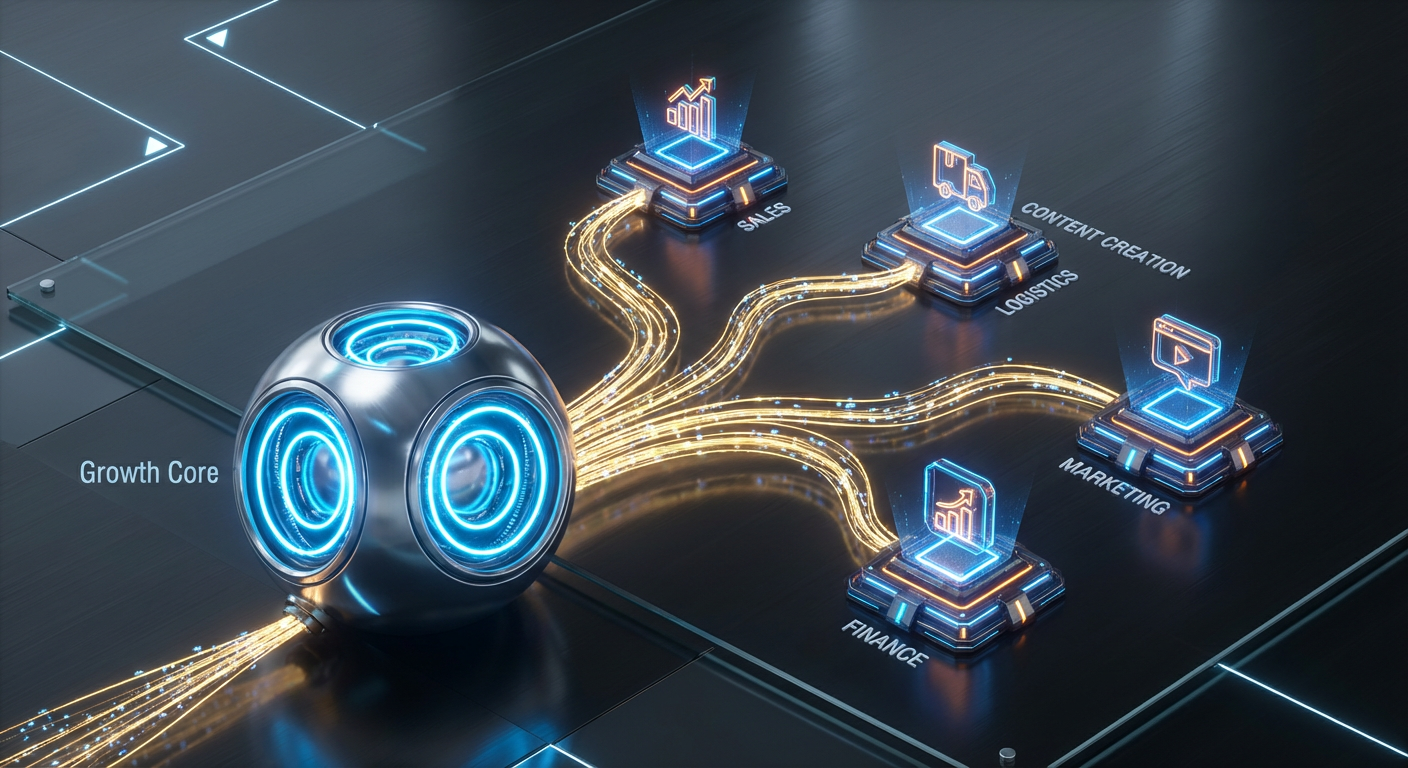
Most businesses are still playing a losing game with fragmented tools that don’t talk to each other (Agentic AI). As of April 7, 2026, the era of clicking buttons to trigger simple tasks is over. If your business relies on manual intervention to move data from a lead form to a CRM, you aren’t just slow—you are becoming obsolete. The modern standard is system-driven growth that operates without your permission.
GrowthX is not another software subscription; it is a growth operating system designed for an era where agentic AI workflows 2026 define the winners. We are seeing a fundamental shift from ‘chatbots that talk’ to ‘agents that do.’ According to industry research on agentic systems, these entities can now perceive operational environments and execute multi-step processes independently.
The Shift to Autonomous Multi-Agent Systems for Enterprise
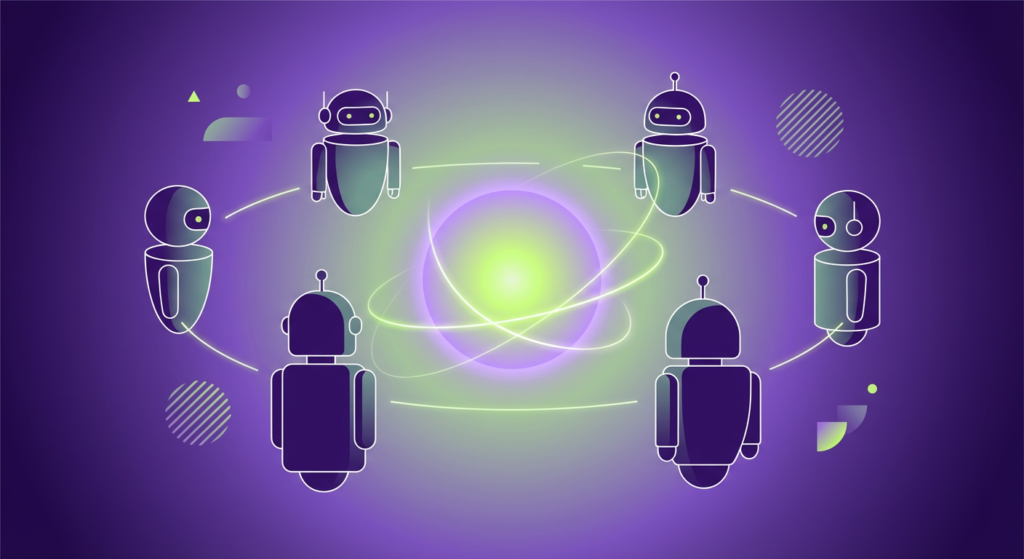
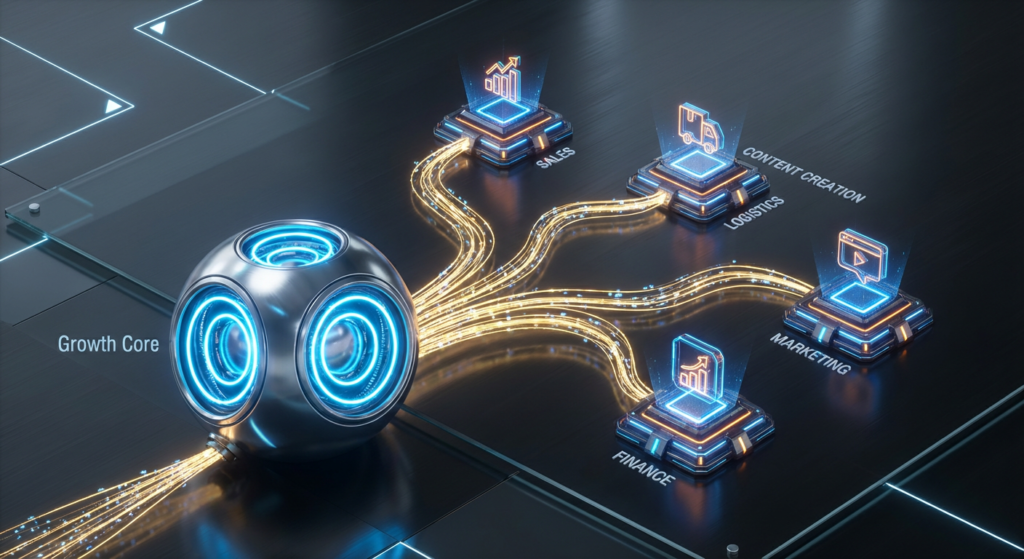
The biggest trend in early 2026 is the rise of autonomous multi-agent systems for enterprise. Instead of a single AI trying to do everything, specialized agents now cooperate. A ‘Logistics Agent’ identifies a delay, communicates with a ‘Sales Agent’ to update the client, and triggers the ‘Maintenance Agent’ to fix the underlying issue. This isn’t science fiction; it is how GrowthX powers modern operations.
This transition moves businesses from diagnostic analytics—asking what happened—to autonomous orchestration. When your systems are AI-native, they don’t just show you a dashboard; they take the action required to hit your KPIs. For those managing complex brand identities, this level of coordination is essential, as explored in our guide on fixing brand voice failures.
- Growth Studio: Your content engine that produces high-conversion assets automatically.
- Growth Chat: A conversation engine that turns inquiries into revenue 24/7.
- Growth POS: A sales and operations engine that bridges the gap between digital intent and physical transactions.
Physical AI and the New Industrial Reality
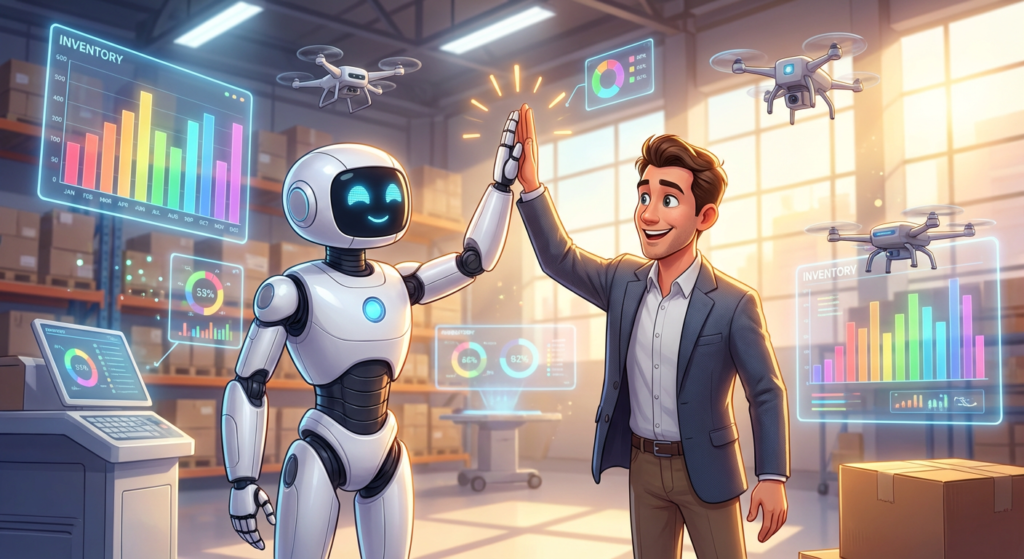
AI has officially moved off the screen. In 2026, physical AI and humanoid robotics in manufacturing are solving the chronic labor shortages that plagued the early 2020s. Humanoid robots are now affordable enough for mid-sized warehouse applications, while Autonomous Mobile Robots (AMRs) handle intralogistics without the need for rigid, fixed conveyor belts.
Collaborative robots, or ‘cobots,’ have become the standard for assembly and quality control. They work alongside humans without safety cages, increasing safety while maximizing output. This physical integration is a key component of health-tech and robotics innovation that we are tracking closely this year.
Software-Defined Automation and Virtual PLCs
The rigid hardware-centric models of the past are dying. Software-defined automation trends 2026 show a massive move toward Virtual PLCs (vPLCs). By running control applications as virtual instances on industrial servers, businesses gain vendor independence and the ability to update infrastructure instantly. This is the same logic we use at GrowthX: decouple your growth from rigid, manual tools.
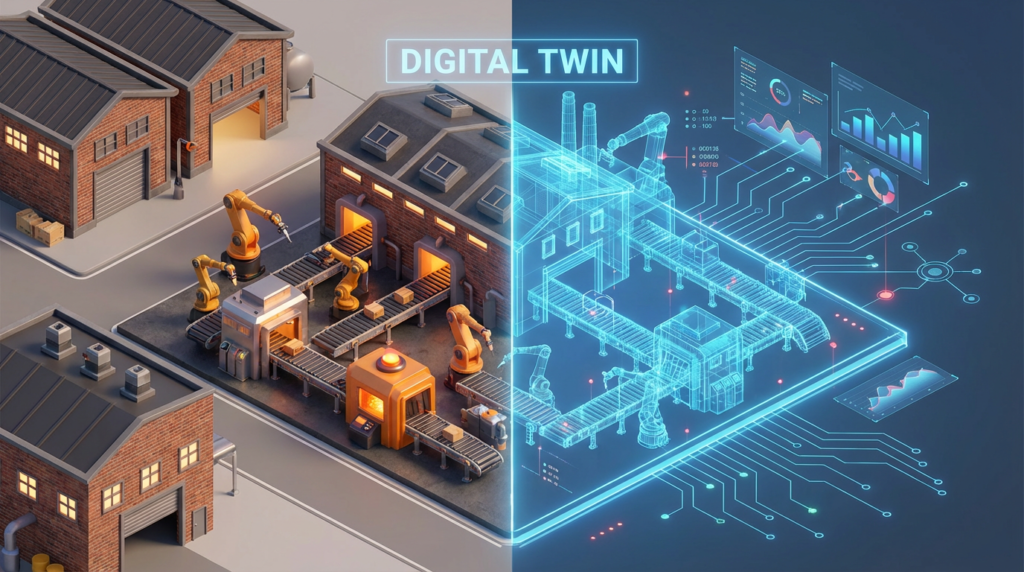
Digital twins have also become a standard requirement before any capital investment. By creating a virtual replica of your operations, you can simulate and optimize production lines before a single piece of equipment is moved. This level of technical agility ensures that your business remains resilient against market volatility, a topic we cover in our analysis of digital resilience strategies.
Sustainability and Citizen Developers
In 2026, automation is the primary driver of ESG goals. Sustainability-driven industrial automation uses AI models to analyze the consumption of water, air, gas, and electricity (WAGES). By retrofitting aging facilities with intelligent platforms, companies are extending the life of their assets and reducing waste without needing a total infrastructure overhaul.
Furthermore, the best agentic AI platforms for citizen developers are democratizing this power. Non-technical employees are now building visual multi-branching workflows that were once the domain of high-priced consultants. This democratization is vital for regional growth, as seen in Kenyan digital landscape shifts, where local businesses are using automation to leapfrog traditional development cycles.
Strategic Focus: Redesign, Don’t Just Automate
The hard truth of 2026 is that automating a broken process only makes it fail faster. Leading organizations are embracing AI-native process redesign. They don’t just add a ‘bot’ to a manual task; they rethink why the task exists in the first place. They focus on ROI proof over empty promises, ensuring that every automated workflow contributes directly to the bottom line.
According to recent economic reports, businesses that redesign their operations for AI-first workflows see 40% higher profit margins than those that simply ‘bolt on’ tools. GrowthX provides the framework to facilitate this redesign, moving you from fragmented chaos to a unified, self-running system.
The future doesn’t belong to the companies with the most tools. It belongs to the companies with the best systems. Stop managing tasks. Start running an operating system. Welcome to the movement. Welcome to GrowthX.